The Philistines have Israel outmanned and outgunned. In the previous two posts here and here, we read in 1st Samuel 13 that a battle is brewing and it is shaping up to be a slaughter.
That brings us to 1st Samuel chapter 14. We read in verse 1, “One day Jonathan son of Saul said to his young armor-bearer, ‘Come, let’s go over to the Philistine outpost on the other side.’ But he did not tell his father.”
What is Jonathan up to? A two-person sneak attack on a much larger enemy force? A surrender? Trying to make a treaty? I can imagine why he doesn’t tell his father, because his father would probably say, “You’re crazy. No way I am letting you go over there.” Not only does Saul, as father, care for this son, Saul does not want the Philistines getting their hands on the crown prince.
The narrator of the story then shifts focus from Jonathan to Saul. Saul is still near his hometown of Gibeah, with those 600 men. Twice now we are reading the specific number of soldiers in Saul’s army, 600. The first occurence was in 1st Samuel 13, which we looked at in the previous post. The repeated mention of the tiny size of Saul’s army likely means the author really wants to emphasize that Saul’s army is in bad shape when compared to the heavily armed soldiers in the massive Philistine army. In verse 3, we learn that no one is aware Jonathan had left to go over to the Philistine outpost.
In verse 4, the story zooms back to Jonathan, and we learn that to get to the Philistine outpost, he and his armor bearer will have to climb a cliff. Let me remind you of Warfare 101. You want the high ground. You do not want the low ground. If you control the high ground, you have a much better angle to ward off the enemy. If you are on the low ground, you are vulnerable. The primary way an army on the low ground can win the high ground is if they have a slew of soldiers they can keep sending at the enemy to slowly overwhelm them. This is what Lee was hoping to accomplish at Gettysburg through Pickett’s Charge. It didn’t work for Lee, and he had huge amounts of soldiers. But Jonathan? It’s just him and his armor bearer. Is Jonathan thinking the two of them will attack the Philistines?
But actually, there’s someone else with Jonathan. Look at verses 6-10,
“Jonathan said to his young armor-bearer, ‘Come, let’s go over to the outpost of those uncircumcised men. Perhaps the Lord will act in our behalf. Nothing can hinder the Lord from saving, whether by many or by few.’ ‘Do all that you have in mind,’ his armor-bearer said. ‘Go ahead; I am with you heart and soul.’ Jonathan said, ‘Come on, then; we will cross over toward them and let them see us. If they say to us, “Wait there until we come to you,” we will stay where we are and not go up to them. But if they say, “Come up to us,” we will climb up, because that will be our sign that the Lord has given them into our hands.’”
Jonathan knows that his two-man military force is vastly more powerful than it seems because God can give the Philistines into their hands. The narrative contrast here is really vibrant. As we learned in the previous post, Jonathan’s father, King Saul, was revealed as not being a man after God’s own heart. Now we see Jonathan in act of astounding, improbable bravery, display trust in God.
Jonathan is stepping out of his comfort zone into an extreme situation. A dangerous, life-or-death situation. Actually it seems like it is a “certain death” situation. Thus Jonathan is for us an example of a man after God’s own heart. He places his trust in God, knowing that God can do what is impossible for humans.
Also notice the heart of the armor bearer who says, “I am with you heart and soul.” When you have a friend like that, you can feel like you can do anything. The encouragement, the inspiration, the reminder that not only is God with you, but the people of God are also with you. That you are not alone. We need that kind of support and togetherness in this world, and we need to be that kind of encouragement to others.
Jonathan proposes to the armor bearer that the two of them reveal themselves to the Philistines above. How the Philistines respond will be a test of sorts, showing if God is for or against Jonathan’s attack. Jonathan only wants to attack if God is for them. He and his armor bearer are well aware of their own limitations, especially against a far superior enemy force.
So they are demonstrating great humility and trust in God. They are demonstrating hearts like Gods.
What happens when Jonathan and his armor bearer come out of hiding is astounding, and we’ll find out about that in the next post.
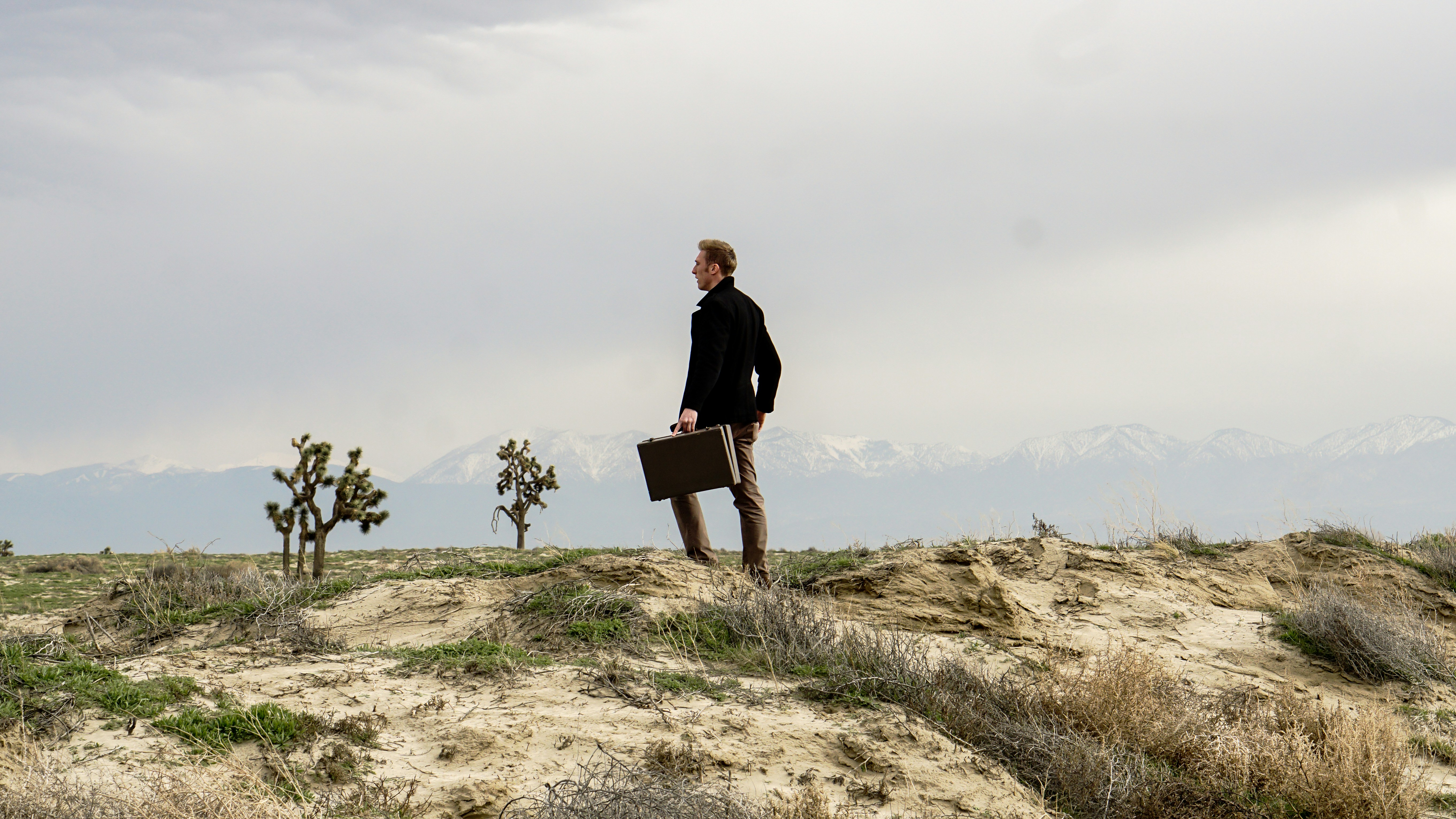
Photo by Freddy Kearney on Unsplash
 Engaging Scripture
2 thoughts on “A person with a heart after God’s heart is willing to step out of their comfort zone – 1st Samuel 13 & 14, Part 3”