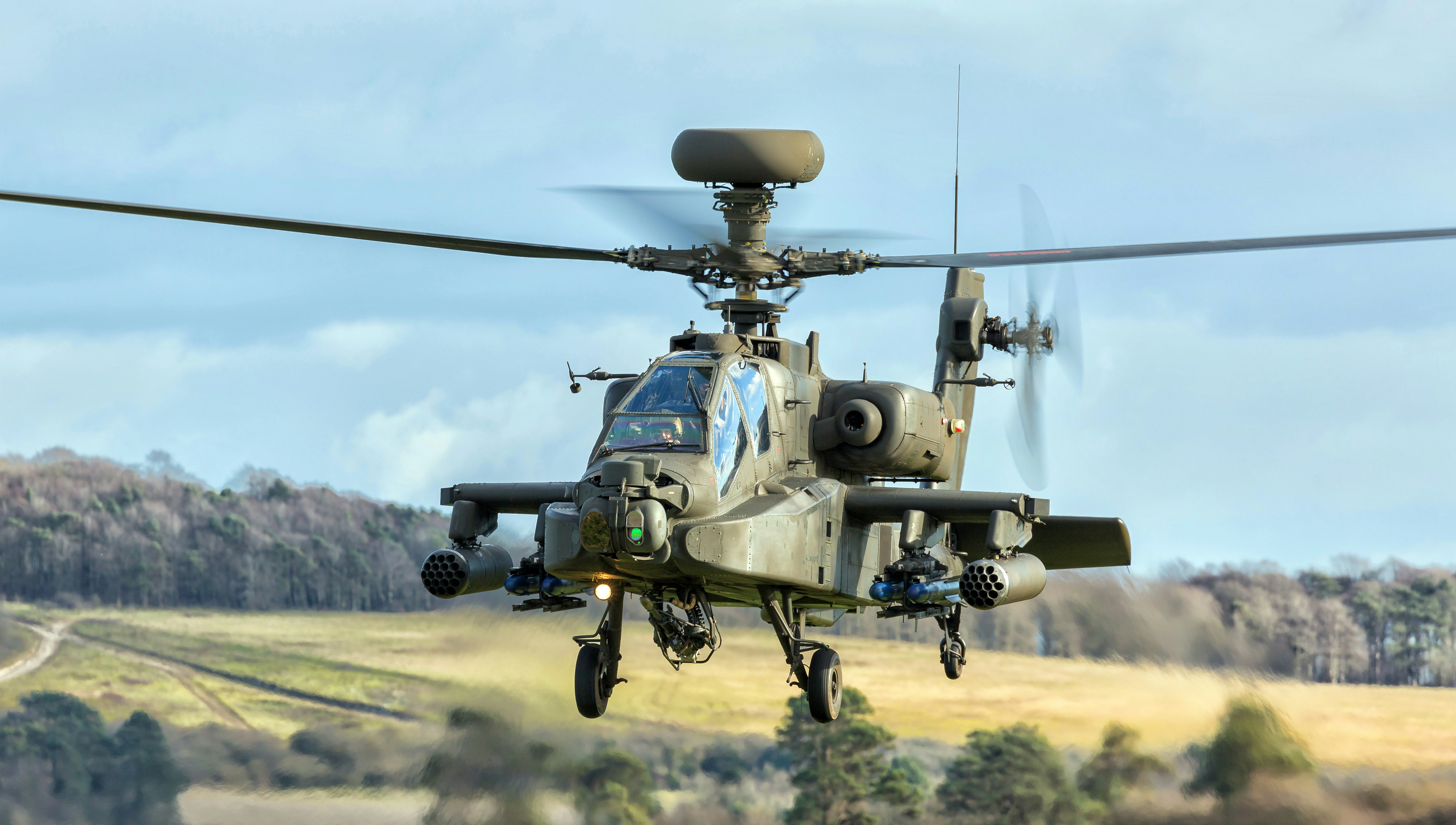
This week we welcome guest blogger, Kirk Marks. Kirk retired from a long career in pastoral ministry, denominational leadership and theological education. He now works in global fair trade.
I love sci-fi like Star Trek and Star Wars. Think with me about the Star Wars film, Return of the Jedi. At the end of that movie, the third movie in the original Star Wars trilogy, the conflict between the Rebellion and the Empire is coming to an end. The story comes at you fast and furious, in different settings, and the story just keeps shifting.
Luke Skywalker is fighting with Darth Vader and the Emperor on the Death Star. Han Solo and Princess Leia are on the forest moon of Endor trying to take down the energy shield that’s protecting the Death Star. At the same time, Admiral Ackbar is leading the Rebel fleet of starships to take out the Imperial fleet and destroy the Death Star.
The story flashes back and forth from these scenes, and it comes at you so fast that you find yourself gripping your seat. I have that same feeling about the end of 1 Samuel as we flash back and forth between the war of Philistines and Israel and then to David and what’s happening with him.
For many weeks, we have been studying the history of Israel during Saul’s reign as king, and David’s coming onto the scene. When we last left these men, David moved his 600 men and their families to the Philistine town of Ziklag, while Saul the army of Israel were forming battle lines to fight the Philistines.
From an Old Testament literature point of view, it’s very exciting kind of stuff. People reading this would have said, this is like a thriller, this is like a Don Bentley novel where stuff is just happening and it’s all exciting and how’s it gonna come together?
Here’s what’s happening. There’s been an ongoing conflict between the Philistines and Israel through the story of 1st Samuel. Remember when Jonathan fought the Philistine outpost? Remember when David defeated Goliath? The military conflict between the Philistines and Israel has erupted again and now it’s coming to a head in all-out war.
The Philistines have decided now is the time to invade Israel. Looks like Saul is weak; looks like Israel is vulnerable. The Philistines muster their forces in the Jezreel Valley in the southern border of Israel, and they’re ready to invade. Saul knows this is coming. He musters Israel’s forces there to meet the Philistines, and they face each other. That’s where the story begins in 1 Samuel 28.
But as Saul looks out across the Jezreel Valley, he sees the thousands of Philistines armed for war and ready to invade, and he freaks out. His courage fails. Now, hold on to that thought for just a minute because we’ll return to that in the last post in this series. We’ll talk about what happens with Saul and learn some things that we can apply to our lives. But while Saul is freaking out, the narrator of the story shifts scenes to David in 1st Samuel 29.
We’ve heard about how Saul has been pursuing David for some time. Saul had been actually using his military to try and track down David. And as David’s been on the run, David gathered up this band of 600 followers, along with all their wives and families. Imagine them moving all their stuff around Israel, trying to hide from Saul. It gets harder to avoid Saul as David entourage grows. To make matters worse, Saul has spies, and Saul was catching up with David. We observed the two weird encounters where they were so close, David had the opportunity to kill Saul, but he doesn’t.
After that second close call, David decides this plan of running as a fugitive isn’t working. He thinks, “Sooner or later, Saul’s gonna catch up with me. I need to do something else.”
So David goes to the king of the Philistine city of Gath, ironically where Goliath was from. There David says to King Achish, “Help me, protect us, give us a safe place to be.” And David’s plan works. Achish gives David and his band the town of Ziklag, and they set up camp there. Since Ziklag is in Philistia, Saul can’t get David, and Saul gives up the pursuit.
David and his people are safe in Ziklag, but he has kind of feudal arrangement with King Achish. Achish has said to him, “You can have Ziklag and be safe there, but if I need you and your 600 fighting men, you be ready to help me.” In 1st Samuel 29 Achish calls in that chip. Achish is going to war with Israel, and he’s ready to invade.
Remember what we learned in 1st Samuel 27. Once David gets to Ziklag, he uses it as a base to invade and attack some neighboring towns of people that are not Israelites. When he raids those places, he kills the people and take their things. We discussed the moral weirdness and theological, moral and ethical conflict in that. But while David is raising those neighboring people groups, he has been lying to Achish, “I’ve been attacking Israel.” David was not attacking Israel, but Achish believes him, thinking David has turned against Israel.
Now that the war between Philistia and Israel has actually come, Achish says to David, “You bring your 600 men and join in the war. You’re drafted into the army now. We’re gonna go and fight Israel.”
David says, “Okay, let’s go.” David gets all of his 600 men to come and join the Philistine army that’s ready to invade Israel. It’s a terrible moment of tension, and I can’t help but wonder what’s going on in David’s mind.
Is he really going to go to war with Israel? Is he going to kill his own brother Israelites in this war that’s coming? We find out in the next post!
Photo by DON JACKSON-WYATT on Unsplash
 Engaging Scripture
One thought on “The end of 1st Samuel is like a military thriller – 1st Samuel 28-30, Part 3”