Ephesians 2, Part 4
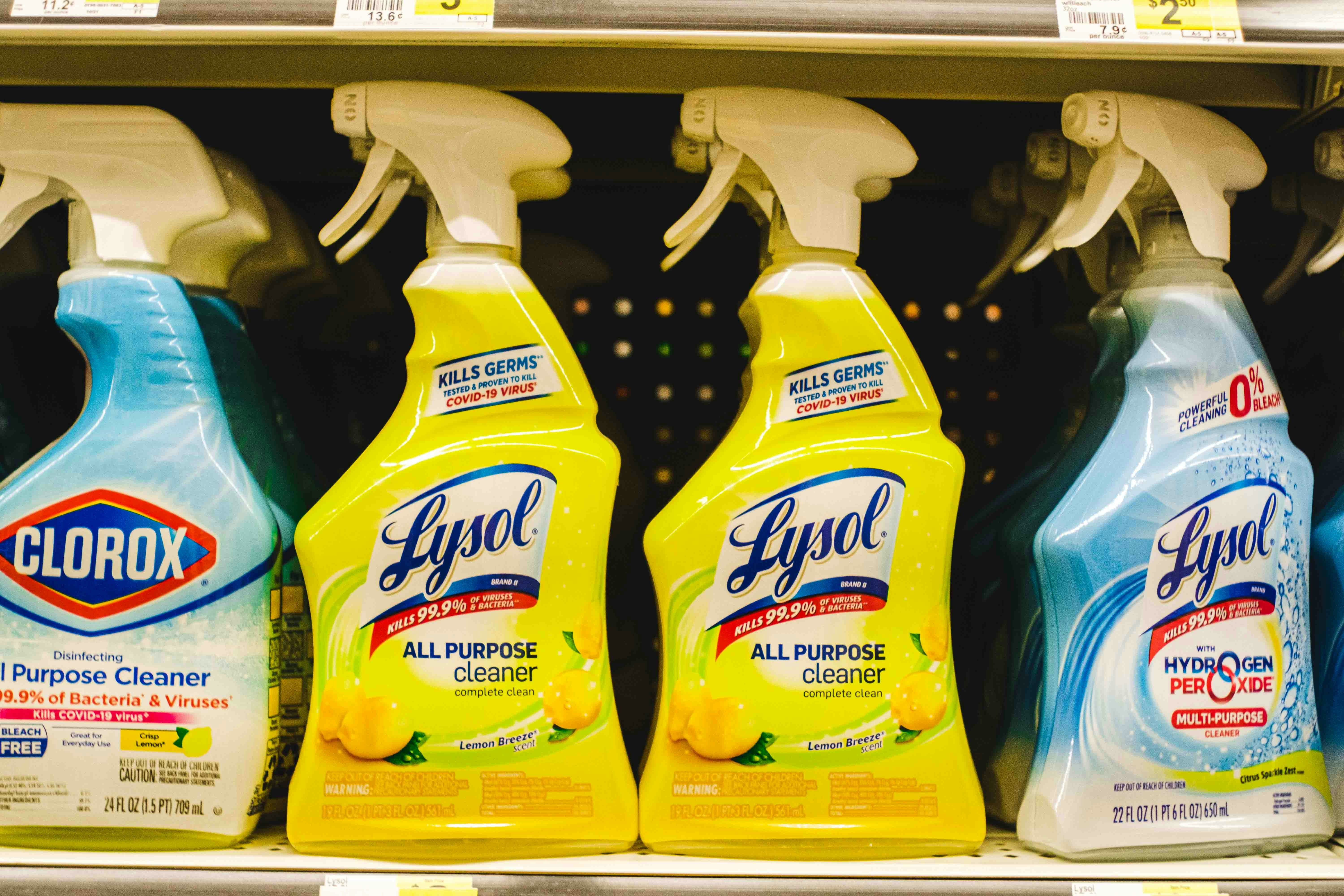
There is a detergent that the ancient Israelites used to achieve a state of cleanliness. Do you know what they used for detergent?
If you are thinking “hyssop,” you are correct, but only partially. In the Mosaic Law, there are numerous references to hyssop and how it helped with purification (Exodus 12:22; Leviticus 14:4, 14:52; Number 19:2–6), and there is the famous passage in Psalm 51:7, “Cleanse me with hyssop, and I will be clean; wash me, and I will be whiter than snow.”
But there was another detergent that was used far more frequently.
Blood. In Leviticus, the blood of sacrifices removed all sorts of impurity. Even in some of the hyssop passages I list above, the hyssop branch is a means to spread the detergent blood. It is the blood that is truly doing the work of cleansing.
If that’s sounds bizarre, it is probably because in our culture, we use detergent to clean blood off things. In Leviticus, blood is the detergent to wash off impurity. How?
Stay with me here. We’ll get to that in a moment. First, let’s review where we have come in our study of Ephesians 2 so far this week. In verses 1–10, Paul describes how Christians are people who have moved from death to life, because of the gracious love of God in Christ. Then beginning in verses 11 and 12, he raised a significant problem in the church. If all Christians have new life in Christ, why were there two groups in the church?
In the ancient church, there was an “in group” and an “out group.” Jews were the “in group,” and non-Jews (Gentiles) were the “out group.” Or at least that’s what the Jews said. The Jews looked at their heritage as confirming that they were God’s chosen, the ones included in God’s family. Thus they concluded that non-Jews were excluded. The Jews, Paul writes, even had labels for the two groups. The non-Jews are “The Uncircumcised,” and the Jews are “The Circumcised,” based on the fact that male circumcision was the physical mark that a person was part of the covenant between God and his people Israel.
Paul then writes that something happened. Something changed. There is a new reality.
Look at verse 13,
“But now in Christ Jesus you who once were far away have been brought near by the blood of Christ.”
Jesus happened. Jesus changed everything. Jesus’ life, death, and resurrection has made it possible for those who are on the “outs” to be brought in. The excluded are now included because of Jesus. This is incredibly good news for the non-Jews. It is also very confusing news for the Jews.
The Jews for centuries thought of themselves as the only insiders. The Jews were the children of Yahweh, the one true God, who had chosen them to be his special people. The Jews were the chosen ones, and all the other people in the world were not chosen.
Another way the Jews described the difference between the two groups is “clean versus unclean.” In the Old Testament Mosaic Law, particularly in the book of Leviticus, God gave the Jews all sorts of laws related to what is clean and what is unclean. Foods. Diseases. Bodies. Sexuality. Relationships. Behaviors. To be clean is to be holy. To be unclean is the be unholy.
The Mosaic Law describes the sometimes intricate and lengthy processes by which blood removed uncleanliness. To study this further I recommend Andrew Rillera’s book The Lamb of the Free. I studied Leviticus in my undergrad Bible college, and in seminary for my Master of Divinity. But when I read Lamb of the Free last year, I felt as though I was learning about Leviticus for the first time. Rillera does an excellent job explaining how the blood of sacrifices was used as detergent, and why.
Borrowing that theme, here in Ephesians 2 Paul writes in verse 13 that there is a detergent that has made it possible for the outsiders to become insiders, the blood of Jesus, which of course is a reference to Jesus’ death and resurrection. This is why Christians observe communion so often, as a reminder of the incredible love of Jesus who shed his blood, symbolized by the cup, to go before us and make it possible for us to be part of God’s “in group.”
Here Paul is making a direct connection to everything he talked about in verses 1 through 10. Remember all that talk about Jesus’ gracious gift that those who were dead in the sins can be made alive? That new life is possible by “the blood of Jesus.”
By referring to Jesus’ blood, Paul is purposefully saying that the labels of “circumcision” and “uncircumcision” no longer apply. Notice that, after describing those labels in verses 11 and 12, for the rest of the chapter Paul doesn’t refer to the labels anymore. They are gone. Paul is ripping off those labels, because the blood of Jesus has made it possible for all to be clean. Circumcision doesn’t matter.
In verse 14, Paul describes this even further,
“For he himself is our peace, who has made the two groups one and has destroyed the barrier, the dividing wall of hostility, by setting aside in his flesh the law with its commands and regulations. His purpose was to create in himself one new humanity out of the two, thus making peace, and in one body to reconcile both of them to God through the cross, by which he put to death their hostility.”
In verses 14 through 16, Paul repeats his earlier point that there should be no more in group and out group. The Jews should stop with the labels. Jesus through his death and resurrection has torn down those walls. In Jesus there is one new humanity. There is peace between the two groups. When Jesus died, the hostility also died.
This is a powerful passage about the unity that God desires in his churches and between his churches. Jesus has gone to great lengths to remove what divides us and bring us together.
But still Paul is not done. In case there is any shred of uncertainty about what he means about this unity in Jesus, he says more in 17-20, which we will learn about in the next post.
Photo by Osarugue Igbinoba on Unsplash
 Engaging Scripture