This week I once again welcome guest blogger, Kirk Marks. Kirk is a retired pastor of 30 years who now works in international fair trade.
Are you feeling any hopelessness about something in your life? Maybe you feel you’re losing hope within. If so, even if just a little bit, you might resonate with the ancient Hebrew prophet, Habakkuk. He was losing hope.
In the previous post, we began studying the prophet Habakkuk. He complains to God, and God, surprisingly, doesn’t give a satisfying response. So Habakkuk complains a second time. God gives Habakkuk an answer, but like before, it’s not much of an answer. (See previous post.) Here’s what God says to Habakkuk: “Write down the revelation and make it plain on tablets so that a herald may run with it. For the revelation awaits an appointed time; it speaks of the end and will not prove false. Though it linger, wait for it; it will certainly come and will not delay.” (Hab 2:2–3)
When we’re looking for hope, being told that we need to wait a while longer isn’t always a message that we want to get. But Habakkuk eventually gets that answer. Our English translations do not do justice to God’s answer. It’s much more powerful in the Hebrew. Turn to Habakkuk chapter 3 for the answer. Habakkuk cries out to God again, “Lord, I have heard of your fame; I stand in awe of your deeds, Lord. Repeat them in our day, in our time make them known; in wrath remember mercy.”
Then in verse 3, God answers all of Habakkuk’s complaints. God answers all Habakkuk has prayed about and looked for. Two words say it all, “God came.”
“God came from Teman, the Holy One from Mount Paran. His glory covered the heavens and his praise filled the earth. His splendor was like the sunrise; rays flashed from his hand, where his power was hidden. Plague went before him; pestilence followed his steps. He stood, and shook the earth; he looked, and made the nations tremble. The ancient mountains crumbled.”
Last week Joel wrote about God being like a superhero. Habakkuk says the same thing. God comes in power, God responds, God is there in the midst of all of Habakkuk’s hopelessness and struggle. God’s answer is that he comes.
Habakkuk goes on to talk about how God comes and splits the earth and dries up the rivers and comes in all this power and glory, using what we might say sounds like superhero language.
At the end of the book, Habakkuk says, “I heard and my heart pounded, my lips quivered at the sound; decay crept into my bones, and my legs trembled. Yet I will wait patiently for the day of calamity to come on the nation invading us. Though the fig tree does not bud and there are no grapes on the vines, though the olive crop fails and the fields produce no food, though there are no sheep in the pen and no cattle in the stalls, yet I will rejoice in the Lord, I will be joyful in God my Savior.” (Hab 3:16–18)
Habakkuk is saying that he’s learned he can’t put his hope in the circumstances. He can’t put his hope in the things that might happen or might look good. Instead he puts his hope in the God who comes, who has promised to come, and ultimately who will answer his complaints.
God does have answers to the problems that are our world faces, to the troubles and the circumstances that we live in. You might be facing feelings of hopelessness. You might be feeling hopeless about something in your life. Maybe you feel you’re losing hope within. To all of that God has already given us an answer, and that answer is that he comes. He has come in the person of his son, Jesus Christ. He has come into our world to meet us, to be us. God came as a human being in the person of Jesus Christ. God came because he loves us. He came with tremendous promise to be with us, to help us, to love us, to care for us, to meet us even in the worst of life’s circumstances, and to give us hope.
He promises to us that out of even the most difficult situations he will indeed bring good things, and in him there are good things to come. Think, for example, how Jesus Christ died on a cross for our sins, but three days later rose again and now lives. He’s our living hope.
We have a living promise that God can overcome anything, even death. Even in the face of death, there is hope, hope for abundant life now and life eternal. We can live in that hope because of what God has given us. Our hope needs to be in him. Our hope needs to be in his promises, because he has proven that he can deliver on those promises, the epitome of which is bringing Jesus back from the dead.
God delivers on his promises every day by meeting us in the midst of our life situations. Our hope is in him no matter what the hopelessness of our circumstances might be, no matter what the difficulties might be. God comes. God is there with us. God brings us the hope
I began this week of posts here about Advent Hope by asking, “Where do we find hope?” The answer we found in the Beatitudes (post here), and in Habakkuk (previous post and this post), is there is hope in the promises of our heavenly father who loves us, who has already come to us, and who will come to us again. He will come to our circumstances, come to our difficulties, come to our struggles, come to our most basic need, come to us at the end of this life and give us life and life eternal for all things.
I’m so thankful that I can put my hope in the one who has promised and is ever faithful to come and deliver.
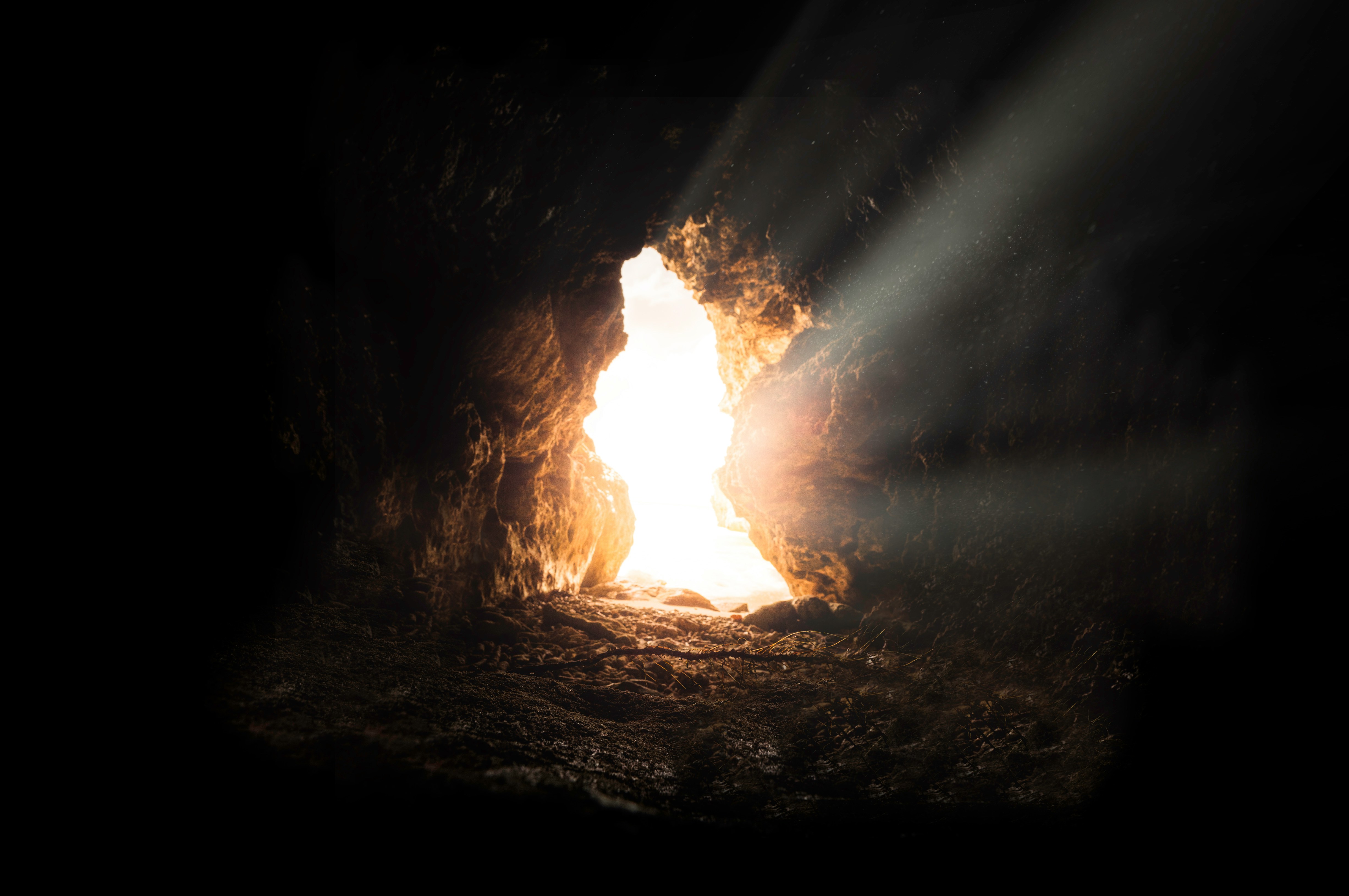
Photo by Bruno van der Kraan on Unsplash
 Engaging Scripture