Things haven’t been going well for Boeing in recent years. Remember the jet that had a door pop off mid-flight? Remember the jets that have had wheels fly off during take-off? Remember the 737-Max that had two planes crash, killing 346? All Boeing. Boeing has had so many disasters in recent years, they have been longing for a win.
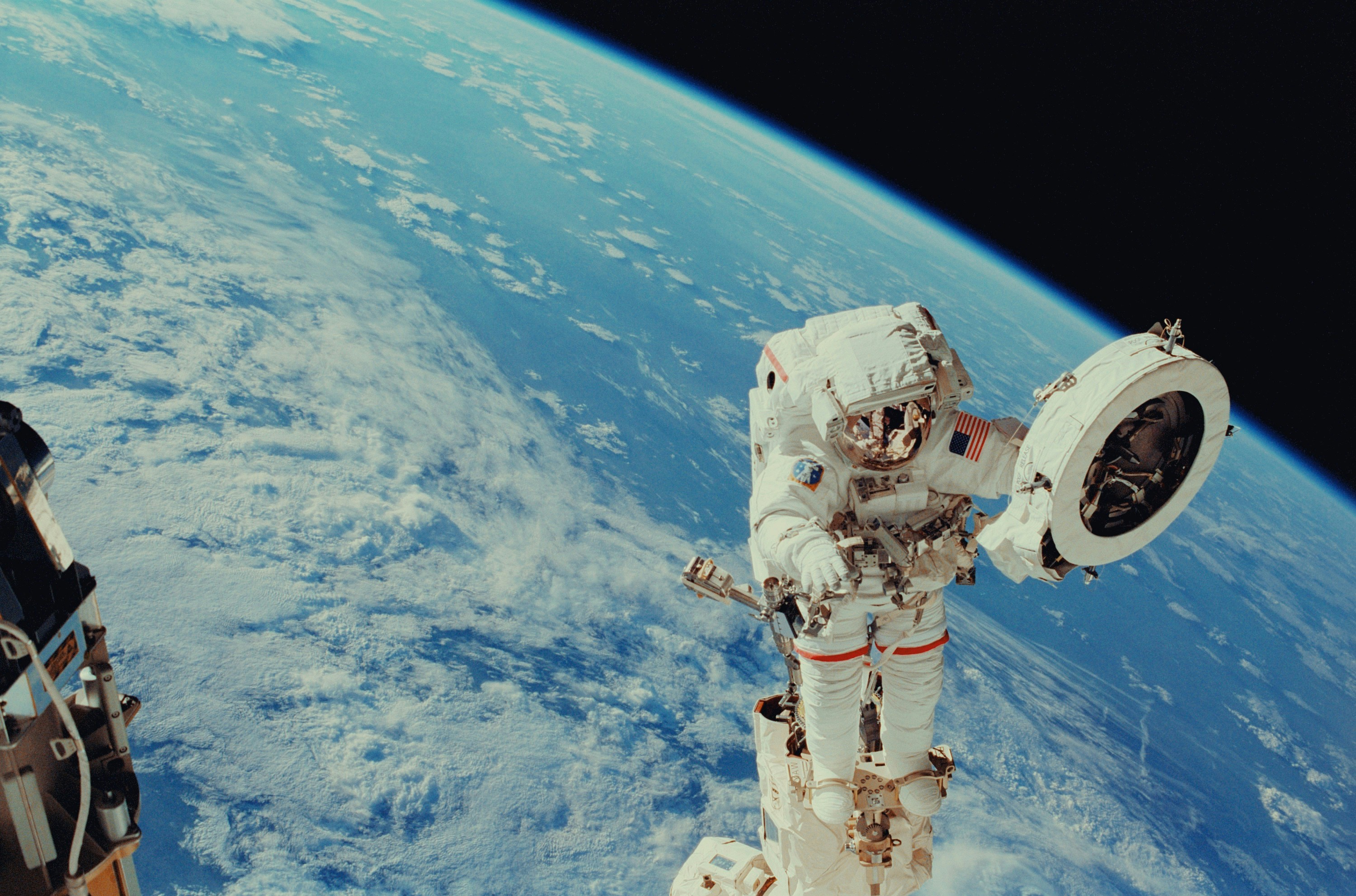
Earlier this year, Boeing finally got their win. But it wasn’t a jetliner. It was Starliner, their spaceship that launched on June 5, 2024. Aboard Starliner were two NASA astronauts, Butch Willmore and Suni Williams. They docked at the International Space Station on June 6, on a NASA mission which was to last 8 days and then return home on Starliner.
Boeing’s win turned into a loss on day 1. Starliner had problems during its flight to and docking at the ISS. Spaceships not only have large booster engines, but lots of small thrusters for fine movement and steering. It was those smaller steering thrusters that are malfunctioning on Starliner. As with any vehicle, you need to be able to steer, so Boeing so NASA and Boeing extended Willmore and Williams’ stay a few days, while they evaluated whether it was safe for them to fly Starliner back to earth.
That was two months ago, and Willmore and Williams are still on the ISS. This past week we learned that the astronauts might not return to earth until February, and maybe not on Starliner. Instead Space X might come to Boeing’s rescue. NASA could reduce an astronaut mission to the ISS from 4 persons to 2, so that Willmore and Williams will catch a ride home on Space X’s Crew Dragon vessel. If so, what was supposed to have been an 8 day stay on the ISS will have turned into an 8 month stay for Willmore and Williams.
Can you imagine being those astronauts? Stuck in space. Can you imagine being their families on earth? Thankfully, communication between the earth and ISS is good. But still. 8 days turning into 8 months?
This is the kind of situation that can cause us to question whether all this emphasis on space exploration is worth it. And rightly so. It’s not just two astronauts who are stuck in space.
As we have learned in the previous posts in this series, here, here and here, consider the billions and billions of dollars spent by nations and companies around the world on space exploration. Consider the loss of life. Consider the toll spaceflight takes on humans. Zero-gravity, radiation. Not to mention the question of “Why?” Why do want to explore places like the moon and Mars whose climates are inhospitable to human life? Is it really worth it to explore space? Many have argued very intensely that God would not approve of space travel and exploration.
What would God think? Does the Bible say anything about this?
First of all, the Bible describes God as creator of the universe, and the account in Genesis chapter 1 says that what God created is good. Think about the goodness of creation from a cosmic perspective.
The earth’s orbit around the sun is located in what is called the Habitable Zone. The definition of the Habitable Zone is the distance from a star allowing a planet to have liquid water on its surface. As we think about our own solar system’s planets, those too close to the sun are burning hot for life. Those too far away freeze. Earth is the perfect distance from the sun for life. Without the sun, we would be in bad, bad shape. The sun provides light and heat that makes life possible on our planet. The sun is good.
We also have the perfect satellite, the moon. NASA notes that “The Moon makes Earth a more livable planet by moderating our home planet’s wobble on its axis, leading to a relatively stable climate. It also causes tides, creating a rhythm that has guided humans for thousands of years.” The moon is good.
When humans have traveled into space, they are often overcome with emotion at seeing the goodness of earth from above. It’s beauty and grandeur. Astronauts remark that all the wars and political strife and racism and hate make such little sense when viewing our incredible planet from above. The earth is good!
Looking upward can help us look downward. Space exploration can help humanity have a much better view of life down here. We appreciate earth more, knowing how incredibly unique earth is. We can grow gratefulness for the amazing gift of earth.
Furthermore, when we appreciate earth, we can be motivated to care for the earth, which is exactly what God has called us to do. In Genesis 1:28, God calls humans to be fruitful and multiply, to fill the earth and subdue it. That is not a call to destroy the earth, but to make it place of flourishing. In Genesis 2:15, God calls humans to work the land of the Garden and care for it. I conclude that space exploration has actually helped us better care for the goodness of the earth.
But I am not certain where to draw the line. How much space exploration is too much? Can we spend so much money and earthly resources to explore space that we are actually detrimental to human flourishing on earth? We’ll talk about that further in the next post.
 Engaging Scripture