The other day I pulled a bag of potato chips out of our pantry, looking forward to a snack. I dug around the chips, pulled out a handful and started munching. Ugh! They were stale. Soft, bland, tasteless chips. It’s the rare person that enjoys stale anything. What about your practice of faith, your discipleship to Jesus? Is it stale? In today’s devotional, God talks with some people who believed things in their world were just fine, and he says, “You’re not fine…you’re stale.”
As we learned last week, here at the end of the book of Jeremiah, the genre shifts to prophetic poems about the nations surrounding Israel. Last week in chapters 46 and 47, we studied poems about Egypt and Philistia. In chapter 48, Jeremiah’s prophetic poem is about Moab.
Situated east/southeast of the Dead Sea, Moab is the homeland of Ruth, the famous grandmother of Israel’s great King David who lived about five centuries before the time of Jeremiah. As we’ll find, the relationship between God and Moab has changed dramatically from the days of Ruth and David. That’s why Jeremiah’s prophecy begins in verses 1-6 with nothing but a word of “woe.” In Hebrew the word “woe” is onomatopoeia, a word spelled like it sounds. Likely it was a guttural forlorn cry of pain because destruction was being unleashed on Moab. Why will “Moab be broken” (verse 4)?
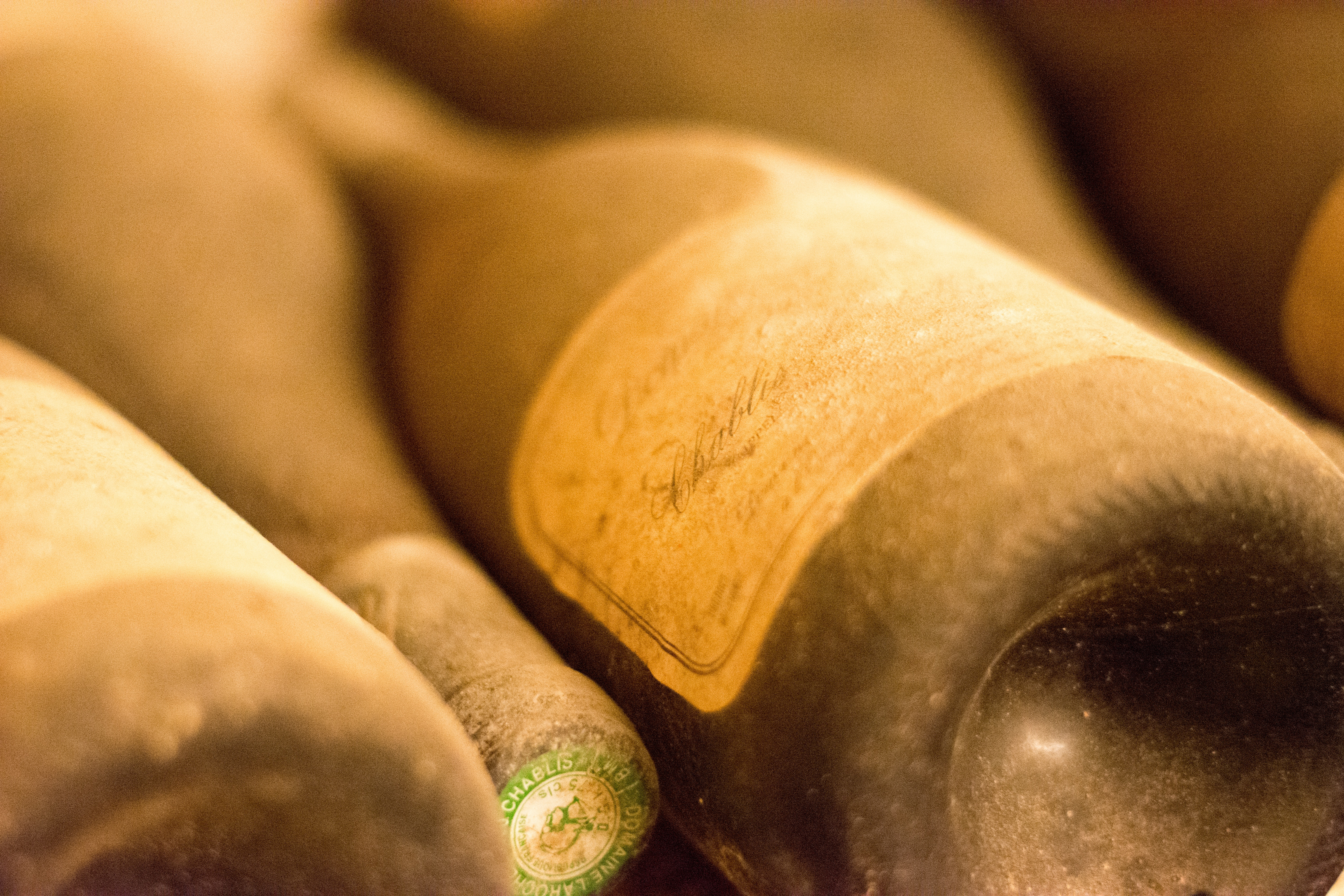
The Lord tells us why in verse 7: “you trust in your deeds and riches.” He goes on in verse 10 to declare a curse on them because they are “lax in doing the Lord’s work.” Next in verses 11-13, the Lord compares Moab to wine that has been at rest, stagnating. This is a picture of apathy, of laziness, believing that they could rest on their laurels and their wealth.
The Lord’s evaluation of Moab reminds me of something I’ve heard over the years in pastoral ministry, mostly from people who are in the older generations or who are nearing or are in retirement. They’ve worked a long time. Decades of toil. They’re tired and ready to be done with the daily grind. They’ve also served in the life of the church or other volunteer organizations, and perhaps are wondering if they are burnt out. They say that they are done, and it is time for the younger generation to step up.
I feel tension about this. On the one hand, I don’t want to see anyone succumb to burnout and spiritual fatigue. Rest is good, sabbatical is needed. I took one myself in January through March of 2018. Our denomination recommends that pastors take a sabbatical for at least three months every seven years, based on the Old Testament principles of sabbath and Jubilee. Therefore, volunteers in the church should do the same. It’s okay to say “No” and take a break.
On the other hand, God is giving us an important warning in this prophecy. We can become lazy. We can be focused on entertainment, escapism, and pleasure-seeking. None of those are inherently wrong. “All things in moderation,” is a helpful guide. But we do need to beware of our predilection to how addictive, how self-medicating entertainment, escapism and pleasure-seeking can be. We can allow those activities to become idols, keeping us from serving God. It seems Moab had ventured across that line, and now they were like stale wine.
Next in verses 14-25, God prophesies more destruction to befall Moab. In this section there are two verses that further hint at the reason for Moab’s downfall. First, in verse 14, God questions how Moab can believe they are powerful warriors. Moab, in other words, has a false self-impression. Moab thinks they are mightier than they really are. Second, in verse 18, God says, “Come down from your glory and sit on parched ground.” Again, Moab has elevated themselves beyond what is true about themselves. Moab thinks they are worthy of glory, while God says they really ought to sit down on the dusty dry ground, a much more fitting locale for who they really are.
God is saying that Moab was delusional. Not only were they trusting in their wealth, leading to laziness, now we learn they are trusting in their glorious military, leading to a false sense of security. Scan through verses 14-25 and review the many creative ways God says, “Your military will be crushed.” It is so easy to have an impression of ourselves as better than we really are. When my kids were younger, from time to time they would boast about their athletic abilities or talk about how amazing their sports team was. It is good to be positive and hopeful, but we would do well to have a healthy, honest evaluation of ourselves. I told my kids, “Do your talking with your performance on the field, in practice and in games. Let the scoreboard tell everyone how good your team is.” In Moab’s case, for all their talk about their supposed glorious military might, God says they are not going to like what they see on the scoreboard at the end of the day.
The theme continues in verse 26 when God makes a strange statement, “Make her drunk.” You wouldn’t think God would say that, would you? Throughout the Scriptures, while God never condemns drinking of alcohol, he warns about its overuse, and he absolutely condemns drunkenness. So why is God saying of Moab, “Make her drunk”? I didn’t quote all of verse 26. Here’s the rest of the verse, “Make her drunk, for she has defied the Lord. Let Moab wallow in her vomit; let her be an object of ridicule.” God is saying, “Let Moab face the consequences of her behavior.”
Moab was known for its amazing vineyards, and twice now God has used that image to condemn Moab. They are like stale wine (verse 11) that will be wasted (verse 12), and now God says, “Get drunk, vomit and roll around in it.” In movies, television and sometimes in real life, we can laugh at people who get drunk, because they lose control and say or do funny things, like roll around in their own vomit. But the reality is that drunkenness is not a laughing matter. It is not only a waste of money, but can lead to devastation like drunk driving, not to mention the damage one can do to their own body. That awful side of drunkenness is what God depicts here. Moab will face the consequences of defying him, and they will be ridiculed. The lesson is clear. Do not attempt to defy God. It won’t go well.
Scan down to verses 29-30, and we see the heart of the matter. Moab is prideful, conceited and arrogant. Though Moab boasts, it will come to nothing. Throughout this prophetic poem, God has clearly shown Moab how they have trusted in themselves, deluded about their abilities. They have defied God, revealing the pride and arrogance in their hearts. Pride says, “God, I don’t need you.” We might not be so bold as to say those words, and in fact we might say that we do need God, that we have faith in him, but the choices of our lives tell the truth about us. Moab showed what they really believed, and what they really believed was in themselves. God says that Moab’s self-trust will be revealed as futile.
In verses 31-39, God expresses sorrowful tears over Moab. He weeps and wails for her. Think of that image, God crying. It’s not one that we often picture in our minds or read about. We tend to think of God as stoic, not weeping. But our God is an emotional God. Moab’s choices hurt him deeply. Our choices affect God too. Moab was not only deluded by their pride, God says they worshiped false gods (verse 35). That makes him lament.
In this passage God once again returns to the image of wine, saying in verses 32 and 33 joy and gladness are gone from the orchards and fields, and the wine presses will stop flowing. Because of its pride, Moab will be a wasteland. In verses 40-46, God sees an eagle swooping down over the land of Moab destroying the nation. The eagle represents Babylon and its King Nebuchadnezzar, who will punish the land. In verse 46, God concludes where he began in verse 1, with a statement of “woe!” as Moab will be no more.
But there is a surprise ending to this prophetic poem of woe. There’s one more verse. Verse 47 reveals a hopeful twist when God says, “Yet I will restore the fortunes of Moab in days to come.” Though he has a serious prophecy of woeful destruction for prideful, delusional, God says that there is hope. The NIV 1984 translates what God will do as “restore.” In Hebrew this is the word shuv which is the word for repentance which means “turn back” or “turn around.” When we think of repentance, we think of the person who has committed sin having a change of heart, mind and actions to restore the relationships they have broken, whether with God or other people. In this passage, however, God says that he will turn Moab’s fortunes around. God is at work here. This is a helpful reminder of God’s activity in our lives. Just as God weeps when over our prideful delusion, he works to restore. We have a relational God, even when it is we who are faithless.
There is such hope in this promise for Moab. No doubt, it will be awful first, and maybe for a long time. But “in days to come” God will restore them. What days to come is he referring to? The prophecy doesn’t say. Perhaps God is referring to the Messianic age when all peoples of the world will have the opportunity of a restored relationship with God.
We well know that opportunity because Jesus was born, lived, died and resurrected. The Messiah has come! God desires that all will be saved. There is hope for restoration for all people.
When your faith feels stale, God invites us to admit our prideful delusion and give our lives to follow Jesus. Let us not rest in our retirement, in our wealth, in our military. Let us take ourselves down from the pedestal and serve the Lord.
Photo by Marco Mornati on Unsplash
 Engaging Scripture
One thought on “What to do when your faith feels stale – Jeremiah 48”